If you’ve ever felt like your brain runs on a different operating system than everyone around you, you’re not imagining it. You may be a person with a different neurotype.
The term “neurotype” may sound clinical at first — something reserved for brain science or psychological theory. But when we translate it into the language of lived experience within the neurodiversity movement, it becomes a doorway to self-understanding. The neurotype framework aims to promote understanding, acceptance, and inclusion of all brain differences, recognizing them as valuable forms of human variation.
Your neurotype is defined by certain traits and patterns in the natural rhythm and function of your brain and nervous system — how you perceive the world, process information, and connect emotionally. It shapes everything from how you interpret tone of voice to how much social energy you have at the end of the day. Understanding neurotypes involves recognizing brain function differences as natural variations with unique strengths and challenges. Each neurotype influences learning differently, necessitating varied educational approaches to accommodate specific needs of neurodivergent individuals.
For many adults, especially those who’ve spent decades feeling “different” without knowing why, discovering their neurotype can feel like a deep exhale — a return home to themselves. Discovering your neurotype can be a transformative process, helping you identify and recognize your own traits and ways of processing the world. It’s not just about labels; it’s about belonging, compassion, and clarity. Neurotype is an integral part of a person’s identity and shapes their lives, influencing daily experiences, relationships, and self-perception.
In this blog post will define the term “neurotype” in simple terms, explain how understanding your own neurotype can build self-trust, and show how this knowledge can improve relationships, particularly between neurodivergent and neurotypical partners.
3 Key Takeaways
- Your neurotype is your brain’s unique pattern of processing the world — a collection of unique traits that form your cognitive and sensory fingerprint.
- Understanding neurotypes helps replace self-judgment with curiosity and compassion.
- Cognitive diversity strengthens connection — both within yourself and in relationships.
What Does “Neurotype” Mean?
Let’s start with the simplest definition:
Neurotype = your brain’s natural way of thinking, feeling, and sensing the world.
A neurotype is defined by a set of traits, including how a person processes information and responds to sensory input through their sensory systems.
It includes the pace at which you process information, how you regulate emotions, and how your nervous system responds to sensory input. Sensory processing can vary significantly between neurotypes, with autistic individuals potentially being highly sensitive or under-sensitive to various stimuli.
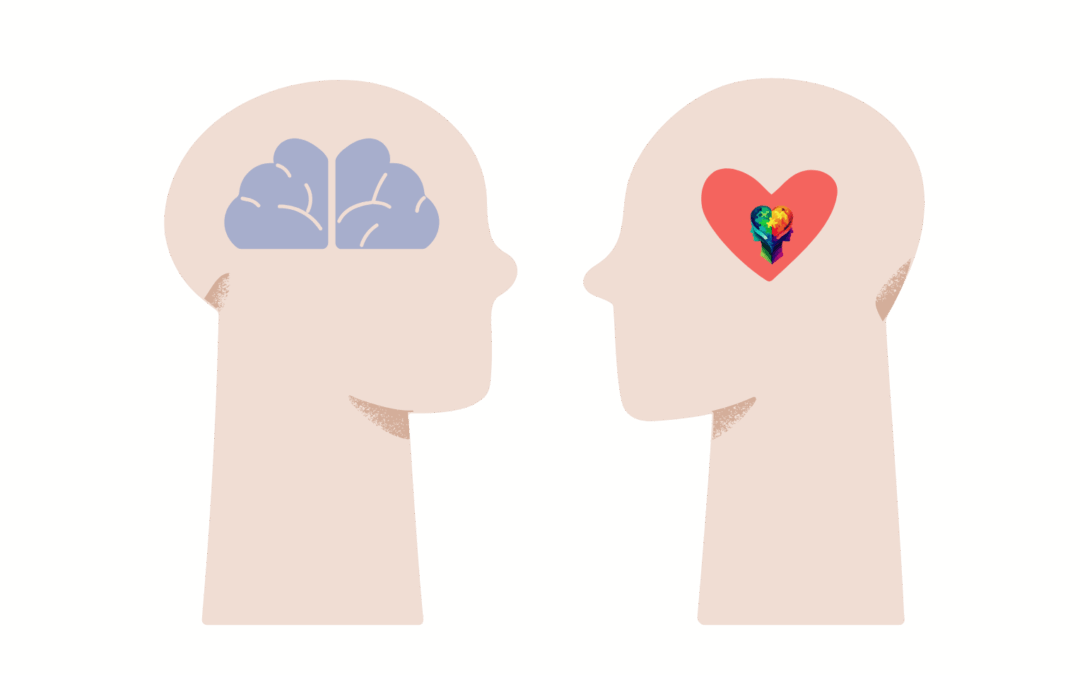
We often hear “neurotypical” and “neurodivergent” used as opposites, but both are simply descriptions of different neurotypes. In fact, most people fall somewhere along a spectrum of neurotypes, each with their own traits. Research suggests that over 20% of the world’s population is neurodivergent, highlighting the commonality of cognitive diversity.
- Neurotypical: describes brain patterns that align with cultural expectations — generally comfortable with multitasking, eye contact, and social nuance. Neurotypical individuals often process information in alignment with societal expectations and develop milestones at typical ages.
- Neurodivergent: describes brain patterns that differ from that norm — such as autistic, ADHD, dyslexic, highly sensitive people, developmental coordination disorder, or personality disorders.
Each neurotype has its own strengths and stress points. For example, an autistic neurotype may include autistic traits such as differences in executive functioning and information processing, which often affects sensory systems. An autistic individual may excel at pattern recognition and deep focus, but become easily overwhelmed by sensory input. Autism is characterized by unique communication styles, differences in sensory processing, and a preference for routine. An ADHD neurotype may thrive in creativity and idea generation, but struggle with executive function or sustained attention. ADHD is characterized by differences in attention regulation, impulsivity, and hyperactivity.
Some mental illnesses, such as anxiety and depression, are not always considered neurodivergent, but there is debate about whether certain mental health conditions and personality disorders should be included under the neurodivergent umbrella.
Neurodivergent individuals may experience difficulties in daily life and may have varying support needs. These difficulties can impact social relationships, academic performance, and daily tasks, but are often accompanied by unique strengths and resilience.
Every neurotype has value. The challenge is not to “fix” the brain, but to understand and honor its design.
The Language of Neurotypes: Why Words Matter
When we have the right words to describe our experience, our nervous system can finally relax.
For many people, learning about neurotypes replaces shame with context. Instead of thinking, “I’m too much,” or “I can’t handle what others can,” they begin to think, “My brain processes differently — and that’s okay.” For each person, self-identification and the autonomy to self identify as neurodivergent can be a powerful step toward self-understanding and acceptance. Identifying one’s neurotype can be empowering, allowing a person to recognize and affirm their unique way of being.
Language becomes liberation. For more insight, explore how trauma and neurodivergence intersect and affect mental health.
In therapy, I often see clients’ shoulders drop and their breath deepen when they realize that “different” doesn’t mean “defective.” It means distinct. Their sensitivity, hyperfocus, or emotional intensity begins to make sense.
And once something makes sense, healing can begin.
The Science Behind Neurotypes (Simplified)
Every brain develops through a unique combination of genetics, environment, sensory experience, and attachment history. Recent research into neurotypes and cognitive diversity highlights the importance of understanding these differences for effective support and self-awareness.
Neuroscientists call this neural diversity — the natural variation in how human brains are structured and how they function.
Here’s the essence:
- Some brains favor linear processing — moving step-by-step through tasks.
- Others favor networked processing — thinking in webs, making nonlinear connections.
- Information processing and sensory systems differ between neurotypes; some nervous systems are highly sensitive to sensory and emotional cues, detecting subtle shifts in energy or tone.
- Others are less reactive, thriving in high-stimulation or fast-paced environments, showing how neurodivergence affects sensory systems and the way information is processed.
Your neurotype is not a problem to solve; it’s a pattern to understand.
When you know your pattern, you can design your life around what nourishes your brain, instead of forcing yourself to function in ways that deplete you. These traits affect how a person experiences the world.
The Neurodiversity Paradigm: A New Lens on Brain Differences
The neurodiversity paradigm offers a deeply healing way to understand how our brains work differently. Instead of seeing autism, ADHD, or OCD as something broken that needs fixing, this perspective honors them as natural ways of being human. The neurodiversity paradigm gently challenges the old medical approach that labeled our neurological differences as problems or disorders. It invites us to see these differences as essential threads in the beautiful tapestry of who we are as human beings. The neurodiversity movement seeks to educate the public about neurodivergent experiences in order to reduce stigma. The term neurominority refers to a group of neurodivergent individuals who experience prejudice and discrimination due to their neurotype.
When we embrace the neurodiversity paradigm, we stop focusing only on what feels hard or different, and instead we celebrate the gifts, insights, and unique contributions that neurodivergent people bring to the world. This approach creates space for deeper understanding and genuine acceptance—not just for autistic folks or those with ADHD, but for anyone whose mind works outside the narrow expectations of what’s considered “normal.” At its heart, the neurodiversity paradigm asks us to value all kinds of brains, and to build communities where every person can truly belong and flourish—exactly as they are. Common misconceptions about neurodiversity include equating it exclusively with deficits, rather than recognizing the strengths it can confer as well.
Neurodiversity as an Umbrella Term
Neurodiversity flows as more than just a concept—it’s a grounded umbrella term that holds space for the full spectrum of neurological differences, embracing autism, ADHD, dyslexia, and countless other ways of being. When we rest into neurodiversity as an umbrella term, we honor the lived truth that every nervous system is uniquely wired, and that differences in processing, learning, and experiencing the world are not disorders to fix—they’re authentic expressions of human diversity that deserve to be witnessed and celebrated.
This embodied language creates a calm presence in the overwhelm, gently shifting our focus from what neurodivergent souls feel they lack, to the profound ways they think, create, and contribute their gifts to the world. Recognizing neurodiversity means breathing into the understanding that conditions like autism, ADHD, and dyslexia are not simply pathologies to manage, but different ways of moving through life and processing the richness of human experience. When we hold neurodiversity as an umbrella term with this kind of tender awareness, we cultivate spaces of genuine safety—environments that honor the full nervous system spectrum and invite every person to bring their most authentic self to the table, exactly as they are.
How Understanding Your Neurotype Builds Self-Trust
Many neurodivergent adults — especially women or AFAB (assigned female at birth) individuals — have spent a lifetime masking: trying to appear “normal,” suppress sensory needs, and decode social expectations. This masking can cause individuals to experience difficulties in social relationships, daily tasks, and overall well-being, as the effort to hide their authentic selves often leads to unique challenges and difficulties.
That long-term effort takes a toll on the nervous system. It often leads to burnout, anxiety, or identity confusion.
Understanding your neurotype gives you permission to unmask gently — to let yourself be as you are, without constant self-editing.
It says:
- “I don’t have to mirror everyone else’s pace.”
- “I can design my rest differently.”
- “My sensory needs are valid information, not inconvenience.”
Self-trust grows in the soil of understanding. When you understand your neurotype, your self-criticism can finally soften into compassion. Recognizing your support needs and honoring them can help you thrive in your daily lives.
Cognitive Diversity: The Beauty of Many Brains
Cognitive diversity is the term used to describe the variety of ways human beings think and process the world.
Just as ecosystems thrive on biodiversity, human systems thrive on cognitive diversity. When multiple neurotypes coexist — in families, workplaces, and relationships — creativity, empathy, and innovation increase. Communities benefit from this cognitive diversity, including attention deficit hyperactivity disorder as it is an integral part of healthy societies, fostering collective growth and understanding.
Neurotypical brains might excel at reading social dynamics and organizing systems, while neurodivergent brains might notice subtle patterns, anticipate risk, or create in-depth solutions that others overlook.
Each brain contributes something unique — like instruments in an orchestra, each playing a different note, but together creating harmony.
When we dismiss or suppress difference, we lose the richness of the full human song. Embracing diversity enriches the lives of everyone.
How Neurotypes Show Up in Daily Life
Here are some examples of how different neurotypes might experience the same moment:
| Situation | Neurotypical Response | Neurodivergent Response |
|---|---|---|
| Conversation | Reads tone and facial cues instinctively, including body language and social communication cues | An autistic person may focus on words, missing subtext or body language, and may find social situations challenging; they might relate more easily to other autistic people |
| Work deadlines | Motivated by external accountability | May need hyperfocus bursts or flexible pacing |
| Sensory input | Background noise fades into the distance | Background noise feels intrusive or painful |
| Conflict | Seeks quick verbal repair | Needs time to process internally before responding |
Neither response is “wrong.” They’re simply different neurotypes in action. Most autistic people recognize their unique traits through personal experience, and recognizing this difference is what allows empathy to grow.
When Neurotypes Collide in Relationships
Many ND–NT couples come to therapy saying some version of, “We love each other, but we keep missing each other.”
It’s not a lack of care — it’s a translation problem. Social situations can often be a source of misunderstanding between neurotypes, leading to confusion and frustration for both partners.
Here’s what it often looks like:
- The neurotypical partner interprets quietness as withdrawal.
- The neurodivergent partner experiences the same moment as overwhelm and self-regulation. Both are trying to connect, but they’re using different operating systems.
Recognizing each partner’s unique support needs in therapy can help address the experience difficulties that arise in relationships, especially when navigating communication and emotional intimacy.
When I explain neurotypes to couples, I often see the same moment of relief:
“Wait… so it’s not that we’re incompatible — it’s that our brains speak different dialects?”
Exactly. Understanding your partner’s neurotype helps you shift from blame to curiosity, from defense to dialogue. The autistic community also plays a vital role in providing support and understanding, offering spaces where neurodivergent individuals can share experiences and reduce stigma.
Therapist Reflection: A Story from the Room
One of my couples came to me during a painful cycle of miscommunication. The neurodivergent partner (ADHD) often interrupted, while the neurotypical partner felt dismissed and tired of holding it all. The double empathy problem theory suggests that communication difficulties arise not only from autistic individuals but also from the lack of understanding by neurotypicals.
For many, the process to identify their neurotype can be challenging—sometimes emotionally and logistically draining, especially when seeking a formal diagnosis. Formal diagnoses can be burdensome due to factors like cost and accessibility.
After exploring neurotype dynamics, I explained:
“Interrupting can sometimes be the ADHD brain’s way of staying connected — it’s not meant to override you; it’s an expression of engagement.”
The neurotypical partner’s eyes softened. “So it’s not disrespect — it’s enthusiasm? — and you know, exploring neurodiverse couples therapy could really help us understand each other better.”
Exactly. For those seeking more insight, discover practical strategies for effective neurodiverse communication and preventing shutdowns.
That single shift allowed them to laugh together for the first time in months. When we interpret behavior through a neurotype lens, what once felt like rejection often turns into recognition.
How to Explore Your Neurotype Gently
Discovering your neurotype isn’t a one-time event; it’s an unfolding process that continues as you discover new aspects of yourself and your experiences. Here are some trauma-informed ways to begin:
1. Notice, Don’t Judge.
Keep a simple log of when you feel regulated versus overstimulated. As you track these experiences, make note of identifying your unique traits—what characteristics or patterns stand out for you? What environments help your body soften? What drains you?
2. Listen to Your Sensory Self.
Your sensory preferences hold clues to your neurotype. Different neurotypes have unique sensory systems, which influence how individuals process textures, sounds, and light levels that soothe or overwhelm them. Neurodivergent individuals may exhibit unique coping mechanisms like stimming or a strong preference for routine.
3. Use Affirming Language.
Shift from “too sensitive” to “highly perceptive.” From “easily distracted” to “responsive to multiple inputs.” Your words build your nervous system’s sense of safety.
It’s also important to honor the right to self-identify as neurodivergent, recognizing that self-identification is a valid and empowering way to define your experience, even without a formal diagnosis.
4. Work with a Neurodiversity-Affirming Therapist.
Choose support that understands neurotype differences as design, not defect. Therapy should feel like an invitation to understand your wiring, not reshape it. Neurodiversity proponents advocate for affirming support that recognizes neurological differences as natural variations, promoting inclusion and respect rather than focusing on “fixing” or curing.
The Intersection of Neurotype and Nervous System Regulation
Each neurotype has a distinct regulation profile — the way your body seeks balance after stress.
For instance:
- Autistic nervous systems may enter shutdown when overstimulated, needing quiet and solitude.
- ADHD nervous systems may seek movement or novelty to regulate energy.
- Highly sensitive nervous systems may need gentler lighting, fewer social interactions, and grounding rituals.
Support needs can vary significantly between neurotypes, impacting the daily lives of neurodivergent individuals. Recognizing and addressing these support needs is essential for improving well-being and social inclusion.
Understanding your regulation style helps you co-create safety — both within yourself and your relationships.
Instead of pushing through dysregulation, you learn to pause, rest, and repair.
Promoting Inclusion and Acceptance
Building a truly inclusive society begins with honoring the lived truth of neurodivergent individuals—and this starts from within. When mental health professionals, educators, and community members slow down enough to witness neurological differences as natural human variation, something profound shifts. We move beyond the exhausting cycle of pathologizing and fixing, and instead create space for genuine understanding. This isn’t about learning facts from textbooks—it’s about receiving the embodied wisdom that neurodivergent people carry about their own experience.
Access to authentic support means recognizing what each nervous system actually needs to regulate and thrive. This might look like occupational therapy that honors sensory truth, speech support that doesn’t force neurotypical communication styles, or mental health care that understands the intersection of neurodivergence with anxiety and depression. Counseling and support services for neurodivergent students often face a lack of funding and personnel.
Creating inclusion doesn’t just serve individuals—it transforms the fabric of who we are together. When we stop trying to make everyone fit the same mold and instead celebrate the full spectrum of human experience, we birth communities that breathe with diversity. These spaces become alive with innovation, compassion, and the kind of belonging that every nervous system recognizes as home. This is how we build a world where difference isn’t just tolerated—it’s treasured as essential to our collective wholeness.
Neurotype Awareness as a Path to Intimacy
Knowing your neurotype doesn’t distance you from others — it draws you closer. Understanding your own neurotype helps a person connect more authentically with others, fostering deeper self-awareness and respect for individual differences.
In couples therapy, I often remind partners:
“Understanding your partner’s neurotype is one of the deepest forms of intimacy. It’s learning the landscape of their inner world.”
When you know how your partner’s brain processes love, sensory input, and communication, you can meet them where they actually are — not where you imagine they “should” be.
For many couples, this realization marks the turning point from chronic conflict to sustainable connection. Communities—both online and in-person—play a vital role in fostering intimacy and understanding by providing support, advocacy, and shared experiences for neurodivergent individuals and their partners.
Summary: Understanding as Regulation
Understanding your neurotype creates nervous-system safety.
When you stop trying to “pass” as someone else, your whole body exhales.
Recognizing that neurodivergent traits are an integral part of your identity allows you to honor your authentic self. Understanding your autistic neurotype can significantly improve your daily lives, supporting well-being in relationships, work, and self-care.
You begin to design your relationships, work, and self-care practices around what truly fits you.
You move from forcing to flowing.
That is the heart of neurodiversity: not fixing difference, but honoring it.
Ready to Explore Your Neurotype in Relationship? Book a FREE “Clarity & Connection” Zoom Call
Let’s explore how your neurotype shapes communication, sensory needs, and emotional patterns in your relationship.
Frequently Asked Questions
What’s the difference between “neurotype” and “neurodivergent”?“
Neurotype” is defined as the overall brain pattern that shapes a person’s unique way of information processing, including traits such as executive functioning, sensory experiences, and social behaviors—everyone has a neurotype. “Neurodivergent” refers to those whose neurotype differs from the cultural norm, such as autistic or ADHD individuals, and is characterized by distinct traits in how they process information and interact with the world.
Can my neurotype change?
Your core neurotype remains stable, but your awareness and regulation skills evolve over time. Healing doesn’t change who you are — it changes how safely you can be yourself.
How can I find out my neurotype?
You can find out your neurotype through personal research, self-identification, formal assessments, or conversations with a neurodiversity-affirming clinician. Most autistic people, for example, self-identify as autistic through reflection and research, and you don’t need a diagnosis to understand your brain or your support needs.
Why is knowing my neurotype important for my relationship?
Because it builds empathy. When partners understand how each other’s brains process emotion, time, and connection, especially in social communication and social situations, communication becomes gentler and repair becomes possible. Understanding neurotype also helps both partners recognize how neurodivergence, including obsessive compulsive disorder, affects their lives and relationships.