If you’ve ever wondered why neurodivergent vs. neurotypical relationships sometimes feel like you’re speaking two different languages, it might not be about love at all—it might be about the way your brain is wired. No two brains are exactly alike; just as fingerprints are unique, each person’s neurology develops differently, highlighting the incredible diversity of our minds.
For neurodivergent individuals, daily life often feels like moving through a world designed for someone else. Social norms, school systems, even the way workplaces measure “success” were mostly built with neurotypical brains in mind, often overlooking the potential of neurodivergent employees.
That doesn’t mean one is better than the other. It means difference—not deficit. Neurodivergence is part of the broader spectrum of human diversity, contributing to the richness of human experience. And when those differences show up in marriages, families, or workplaces, they can either cause heartbreak and burnout, or they can open the door to extraordinary connection.
In this blog post, we’ll explore the distinctions between neurodivergent and neurotypical individuals, why recognizing neurodiversity matters, and how couples can move from frustration to compassion when these differences show up at home. Neurodivergence is a natural variation within the human population, and understanding what neurodivergent means can help foster greater acceptance and empathy.
Key Takeaways
- Neurodivergent describes people whose brains process the world differently (autism, ADHD, dyslexia, etc.), while neurotypical refers to those whose brains align with cultural norms.
- Understanding these differences is essential for fostering empathy and building inclusive spaces—especially in relationships.
- Couples thrive when they stop trying to “fix” differences and instead build supportive systems that honor each partner’s unique wiring.
What Does It Mean to Be Neurodivergent?
Neurodivergence is an umbrella term describing brains that don’t fit into the “expected” mold. It includes common forms like autism spectrum disorder, ADHD, dyslexia, Tourette’s, OCD, and more. These conditions represent a wide spectrum of neurodivergent experiences, highlighting the diversity within this community. But those labels are only one part of the picture. Neurodivergence is also about how you feel and function:
- Sensory experiences may be heightened or dulled.
- Attention and focus might zigzag between hyper-focus and distraction. Neurodivergent individuals, especially those with ADHD, may experience difficulty sustaining attention on less interesting tasks and may hyper-focus on some activities.
- Communication may feel more direct, literal, or fact-based.
Cognitive differences play a key role in neurodivergence, affecting how individuals process information, learn, and interact with the world.
I think of one client, Samantha. For years, she believed she was “too much”: too loud in meetings, too distracted in school, too blunt in her marriage. But once she understood her ADHD and sensory sensitivity, she realized the problem wasn’t her. The problem was the mismatch between her needs and the expectations around her. Instead of shrinking herself, she began to lean into her creativity, humor, and lightning-fast thinking—gifts that had always been there, waiting to be recognized.
It’s important to remember that neurodivergent experiences and challenges can vary widely from person to person.
Neurodivergence doesn’t make someone less; it simply highlights how neurotypical people and neurodivergent individuals experience the world differently . It makes them different. And that difference matters—neurodivergence is one way to describe people with unique brain differences.
What Does It Mean to Be Neurotypical? Understanding Neurotypical People
Neurotypical individuals’ brains align more closely with what society expects. A neurotypical person is someone who fits within societal expectations and exhibits behaviors and traits that are regarded as standard. They generally:
- Follow unwritten social rules without much effort, which is considered typical in most cultures. Neurotypical individuals often intuitively understand facial expressions and sarcasm, making social interactions smoother.
- Adapt well to structured classrooms or workplaces, displaying behaviors that are considered typical for those environments.
- Tune out distracting sensory input more easily, which is considered typical for the general population.
- Process information in ways that align with societal norms, allowing them to interpret and respond to stimuli or social cues as expected.
- Neurotypical individuals tend to reach developmental milestones at the expected points in their lives and have strong executive functioning skills.
Being neurotypical doesn’t mean life is always easy. It simply means the systems most of us live in were designed with their wiring in mind. Neurotypical individuals tend to adapt well to traditional educational environments that rely on structured tasks and verbal instructions. The neurotypical population is often contrasted with neurodivergent groups to highlight differences in brain functioning and societal expectations. A neurotypical student might thrive in a traditional classroom where focus, memorization, and silent reading are rewarded—while a neurodivergent student may struggle, not because they lack intelligence, but because the system wasn’t built for them. Neurotypical individuals typically reach developmental milestones at expected ages, while neurodivergent individuals may experience delays or variations in reaching these developmental milestones.
Understanding this distinction helps shift the blame from the individual to the environment.
Why Recognizing Neurodiversity Matters
When we honor neurodiversity, we move away from “What’s wrong with you?” toward “What’s strong about you?”
Unfortunately, myths still linger:
- “Neurodivergent people can’t succeed.”
- “They can’t connect emotionally.”
- “They can’t learn.”
These stereotypes create real harm—in workplaces, classrooms, and relationships. They silence gifts before they have a chance to flourish. Stigma and misunderstanding can also lead to increased mental health challenges for neurodivergent individuals, who may face anxiety, depression, or other difficulties as a result of exclusion and bias.
But when we recognize neurodiversity as a natural part of human variation, we open the door to inclusive environments: workplaces with sensory-friendly spaces, schools that offer multiple learning pathways, and marriages that celebrate difference instead of demanding sameness. Fostering inclusivity in these settings is essential for creating supportive spaces where everyone can thrive.
The neurodiversity movement has been a driving force in changing perceptions and promoting acceptance of neurodivergent individuals. It emphasizes that neurodivergence is a natural variation of the human brain rather than a deficit or disorder. Recognizing and supporting the mental health needs of neurodivergent people is crucial to their overall well-being. The neurodivergent community encompasses a wide range of mental health conditions, including autism, ADHD, and mood or anxiety disorders, highlighting the diversity within this group. Neurodivergent individuals report significant financial burdens due to increased healthcare needs, exacerbated by co-occurring health conditions. Neurodiversity affirming therapy offers approaches that support and affirm neurodivergent individuals, focusing on their strengths and unique perspectives.
Bridging the Communication Gap in Relationships
One of the most tender places where neurodivergent and neurotypical differences collide is in relationships. Social interaction can look very different for neurodivergent individuals, who may engage in ways that are less typical or expected by neurotypical partners.
- Neurotypical (Allistic) communication often relies on nuance: tone, facial expressions, unspoken cues, and interpreting non verbal cues with ease.
- Neurodivergent communication can be more direct, literal, and rooted in facts, and may include challenges with interpreting non verbal cues.
Without awareness, these differences can cause unnecessary pain. A neurodivergent partner’s straightforwardness might be misread as coldness. For example, direct eye contact is often expected in social situations, but for some neurodivergent individuals, maintaining direct eye contact can feel uncomfortable or unnatural. A neurotypical partner’s indirectness might be misread as dishonesty.
But with awareness, these differences can become strengths. I once worked with a couple where one partner said, “When I speak directly, I’m not being rude—I’m being real.” The other replied, “When I soften my words, it’s not because I’m hiding—I’m trying to care for your heart.” That moment changed everything. They stopped interpreting differences as rejection and started seeing them as two valid languages of love. Sometimes, neurodivergent individuals may experience too much difficulty with sensory or communication challenges, which can lead to misunderstandings if not recognized.
The Strengths and Struggles of Neurodivergence
A neurodivergent person may experience both unique strengths and specific challenges in a world designed for neurotypical individuals.
Neurodivergent individuals often bring extraordinary strengths:
- Creativity and innovation.
- Pattern recognition and problem-solving.
- Honesty and directness.
- Deep focus on areas of passion.
- Neurodivergent individuals often display remarkable creativity, out-of-the-box thinking, and a unique ability to solve problems in ways that neurotypical individuals might not consider.
At the same time, they may face challenges:
- Executive functioning struggles (focus, time management, organization).
- Sensory overwhelm (too much light, sound, or touch).
- Higher rates of anxiety and depression. Neurodivergent individuals experience disproportionately higher rates of mental health challenges, such as anxiety and depression, often due to societal barriers and stigma.
- Neurodivergent conditions can affect people in many aspects of daily life, from communication to social interactions and employment.
- The brain of a neurodivergent person functions differently from that of a neurotypical person, which can lead to both strengths and difficulties.
- Many neurodivergent individuals also experience a mental health disorder, such as anxiety or depression, alongside their primary diagnosis.
- It is common for neurodivergent people to have other diagnoses, with overlapping conditions that require tailored support.
- Autistic individuals and autistic people often have unique experiences and support needs that differ from those of other neurodivergent groups.
- Intellectual disabilities may co-occur with neurodivergence, representing a range of neurodevelopmental conditions that impact cognitive and adaptive functioning.
- Overall health outcomes for neurodivergent individuals are often worse than those of neurotypical individuals.
The goal is not to erase these struggles, but to build systems of support. Just as someone who uses glasses isn’t “less than” for needing them, neurodivergent individuals thrive when workplaces, families, and relationships adapt to their needs rather than expecting them to mask or burn out.
Common Neurodivergent Conditions: Autism Spectrum Disorder and More
Some of the most recognized forms of neurodivergence include:
- Autism – differences in social communication, sensory processing, and interests.
- ADHD – challenges with focus, impulsivity, and executive functioning.
- Dyslexia – differences in processing written language.
- Tourette’s Syndrome – involuntary tics or vocalizations.
- OCD – intrusive thoughts and repetitive behaviors.
When considering neurotypical vs neurodivergent experiences, it’s clear that each group may process information, interact socially, and perceive the world in distinct ways. The key differences between these conditions and neurotypical development often involve cognitive functioning, sensory, and behavioral patterns that exist on a spectrum. Understanding both neurotypical and neurodivergent individuals is essential for fostering inclusive environments and appreciating the strengths that diversity brings.
It’s important to remember: these diagnoses are not the whole person. They are one piece of a larger, richer story.
Navigating a Neurotypical World with a Neurodivergent Brain
For neurodivergent individuals, navigating daily life can feel like climbing a steep hill. Expectations around multitasking, eye contact, or “professionalism” are often tailored to neurotypical brains. Neurodivergent individuals often struggle to navigate traditional medical settings, leading to difficulties in accessing healthcare.
This doesn’t mean neurodivergent individuals can’t thrive—it means they need strategies, supports, and environments that meet them where they are. These can include:
- Self-advocacy: naming your needs without shame. Many people self identify as neurodivergent based on personal experience, which can help them better understand their needs and seek appropriate support.
- Support systems: therapy, coaching, or ND-affirming communities. Mental health care should be tailored for neurodivergent patients, recognizing their unique challenges and providing specialized support.
- Accommodations: flexible work schedules, sensory-friendly spaces, alternative learning formats. The hiring process should also include accommodations during recruitment and interviews to help neurodivergent individuals showcase their strengths. Neurodivergent individuals often struggle to access reasonable accommodations legally entitled to them due to fear of disclosure or lack of knowledge of supports available.
Neurodivergent advocates play a crucial role in promoting awareness and creating supportive environments in schools, workplaces, and communities. It’s important to recognize that challenges can affect all neurodivergent individuals, even those who may not appear to need support.
These supports don’t “spoil” neurodivergent people—they make equity possible.
Workplace Inclusivity for Neurodiversity
Creating workplace inclusivity for neurodiversity isn’t just another trendy concept—it’s a beautiful step toward building spaces where every single person can truly flourish! Neurodivergent team members, including those with autism spectrum differences and other amazing neurological variations, often face real challenges in typical office environments. These can range from overwhelming sensory stimuli to unclear communication or rigid schedules that just don’t work with different thinking and working styles. Neurodivergent employees frequently receive poorer performance evaluations than their neurotypical colleagues due to differing work styles and communication. Employers should create standard expectations for communication pathways and workflows to support neurodivergent employees, ensuring clarity and reducing misunderstandings.
I love seeing organizations that truly get it and embrace the incredible value of neurodiversity! Simple, thoughtful changes—like offering flexible work hours that actually work for you, creating sensory-friendly spaces where you can breathe, or welcoming the use of noise-canceling headphones—can make such a meaningful difference for neurodivergent individuals. Clear, direct communication that makes sense and regular feedback that feels supportive also help neurodivergent team members feel genuinely seen and understood!
When companies take the time to really understand the autism spectrum and other forms of neurodivergence, they create this beautiful culture of acceptance and respect that benefits everyone! And here’s what I find so empowering—when organizations actively seek out and support neurodivergent talent, they unlock these incredible strengths: creative problem-solving that amazes me, attention to detail that’s remarkable, and innovative thinking that brings fresh perspectives! By embracing neurodiversity with genuine care, workplaces don’t just support neurodivergent individuals—they boost overall creativity and productivity in ways that lift up the entire team.
Inclusive Practices in Education
Creating inclusive educational environments is absolutely essential for supporting your neurodivergent students – those amazing kids with autism spectrum disorder, learning disabilities, and other beautiful neurological differences! Traditional educational settings can feel overwhelming and create real barriers for these students, especially when considering challenges with sensory processing, nonverbal cues, and social interactions. But here’s the thing – these aren’t problems to fix, they’re differences to honor and support! Individuals with autism often have an extraordinary ability to focus deeply on their interests, leading to exceptional expertise in specific areas, which can be nurtured in supportive educational settings.
You can make such a meaningful difference by embracing flexible teaching strategies that really get how different brains learn! When you present information in multiple formats – think visual aids, hands-on activities, and written instructions – you’re creating space for every single student to access the material in a way that truly works for their beautiful, unique brain. Offering alternative assignments and providing that extra support or quiet spaces? That’s you helping neurodivergent students manage sensory overload and genuinely focus on learning in ways that feel safe and supportive for them!
Promoting real acceptance of brain differences and neurological differences within your classroom creates something truly amazing! By weaving discussions about neurodiversity into your curriculum and encouraging those honest, open conversations about how brains work differently, you’re helping all your students develop genuine empathy and deep understanding. When you embrace neurodiversity in education, you’re not just helping neurodivergent students reach their incredible potential – you’re creating this rich, meaningful learning experience that supports and enriches everyone in your classroom community!
Supporting Neurodivergent–Neurotypical Couples
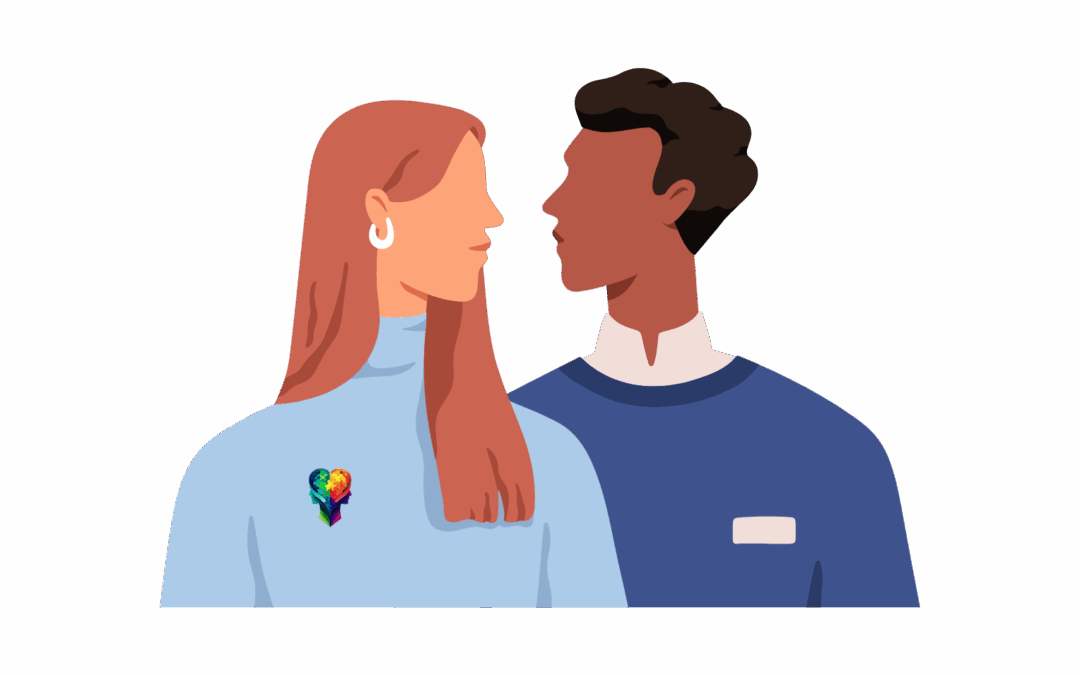
When one partner is neurodivergent and the other neurotypical, love can feel both deeply rewarding and deeply confusing. Support matters. Neurotypical people may find that their experiences and perspectives differ from those of their neurodivergent partners, which can create unique challenges and opportunities for growth. Couples thrive when they:
- Build shared language around differences.
- Create support systems (therapy, support groups, mentoring).
- Honor sensory and emotional needs with compassion, not criticism. Taking time to understand the specific needs of a neurodivergent person can help both partners feel valued and respected.
One couple I worked with once told me: “We stopped trying to make each other normal and started learning how to be safe with each other.” That shift—away from fixing and toward honoring—can transform a relationship.
If you and your partner feel exhausted by your differences, you don’t have to navigate this alone. Book a FREE “Clarity & Connection” Zoom Call with me today, and let’s explore how your relationship can move from confusion to compassion.
Building a More Inclusive World
Building a more inclusive world starts with you – and it begins when we really look at those societal expectations and question what we’ve been calling “normal”! You might not realize it, but the way we communicate, connect socially, and process information can create these unintentional barriers that make things harder for neurodivergent folks. These beautiful differences in how our brains work – they touch everything from friendships to career opportunities, and that’s something we need to gently acknowledge and work with!
To create that truly inclusive world you deserve to be part of, we need to champion acceptance and understanding of neurodiversity at every single level – through education that feels real, awareness campaigns that actually connect, and advocacy that comes from the heart! When we recognize those unique strengths and fresh perspectives that neurodivergent individuals bring to the table, we’re challenging those outdated ideas about what it means to “fit in” – and honestly, that’s exactly what needs to happen. By valuing these differences and encouraging open, honest dialogue about how our brains function differently, we’re moving closer to that society where everyone’s contributions get the recognition and celebration they deserve!
Embracing neurodiversity isn’t just about supporting neurodivergent individuals – though that’s incredibly important! It’s about creating this more inclusive world where all people, regardless of whether they experience a mental health disorder or how their brain works, can truly thrive and feel like they belong. This approach honors both who you are as a person and all those unique experiences you bring with you – creating that safe space where everyone gets to explore their own unique path!
Summary
Neurodivergent vs. neurotypical isn’t about better or worse—it’s about different. When we respect those differences, dismantle stigma, and create inclusive environments, everyone benefits. For couples, especially, the work is about moving from “fixing” to “honoring.” That’s where connection deepens, and love becomes a place of safety rather than scrutiny.
Frequently Asked Questions
What is the difference between neurodivergent vs. neurotypical?
Neurodivergent refers to brain differences such as autism, ADHD, dyslexia, and more. Neurotypical refers to individuals whose cognitive and social development align with cultural norms.
What qualifies as neurodivergent?
Neurodivergence can be developmental (autism, ADHD, dyslexia) or acquired (like brain injuries or complex PTSD). It simply means the brain processes the world differently.
Can someone be partly neurotypical and partly neurodivergent?
Yes. Brains are complex. Many people experience traits from both, especially if they live with multiple conditions or unique life experiences.
How can couples navigate these differences?
Through education, empathy, and tools that bridge the communication gap. Therapy that affirms neurodiversity can give couples strategies for connection without blame.