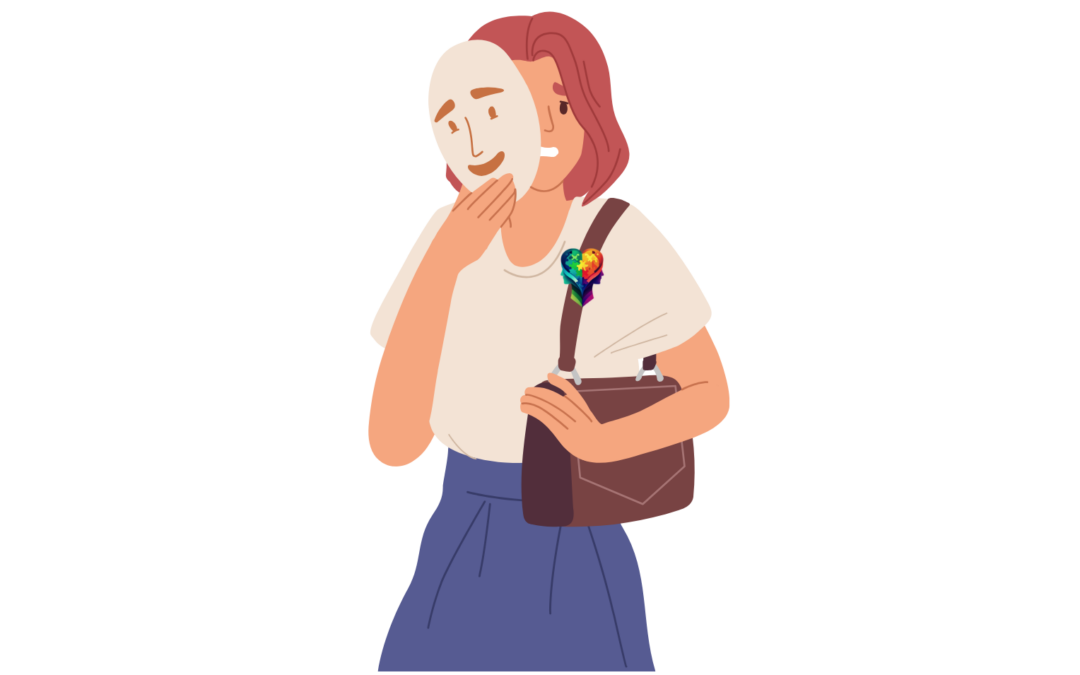
Have you ever felt the pressure to hide your emotions in fear of judgment or rejection? This phenomenon, known as emotional masking, can take a toll on mental health and relationships.
In this blog post, we will explore the concept of emotional masking, its impact on mental health, and practical strategies for overcoming it.
Key Takeaways
-
Emotional masking is the practice of hiding or altering one’s emotions and can have detrimental impacts on mental health.
-
Strategies such as expressing emotions, mindfulness, seeking professional help, and supporting others can reduce emotional masking.
-
Changing societal perspectives on emotions and promoting authenticity are key to reducing their prevalence.
Understanding Emotional Masking
Emotional masking is a common issue, especially among autistic individuals, who frequently feel the need to hide their emotions and behaviors to conform to societal norms or shield themselves from judgment. This practice, often known as autism masking, entails concealing genuine autistic traits to navigate social situations.
Gaining insight into the reasons for emotional masking and its impact on mental health is key to providing support for those who experience it and promoting an empathetic, inclusive society.
Definition of Emotional Masking
Emotional masking, also known as autistic masking, refers to the practice of hiding or altering one’s emotions to conform to social expectations or to avoid negative responses from others. Autism masking specifically involves autistic individuals concealing their actual autistic traits to navigate social situations. Strategies employed in emotional masking may encompass:
-
Suppressing stimming behaviors
-
Carefully studying and emulating social behaviors
-
Evaluating body language
-
Scripting and rehearsing conversations
-
Displaying excessive accommodation and assistance towards others
While emotional masking can make social interactions smoother, it also carries consequences. The disadvantages include:
-
Impeding the capacity to express oneself genuinely and act instinctively
-
Being energetically taxing
-
Taking a toll on an individual’s mental health and sense of authenticity
Emotional Masking in Autism Spectrum Disorder
Emotional masking in autism spectrum disorder (ASD) refers to the process of hiding or suppressing one’s genuine emotions to fit in with societal expectations or to avoid social rejection. For many autistic individuals, this can be a necessary coping mechanism to navigate a world that often misunderstands or stigmatizes their differences. The effort required to maintain this facade can be immense, leading to significant emotional and physical exhaustion. Over time, the constant need to mask emotions can erode an individual’s sense of authenticity and well-being, making it challenging to form genuine connections and maintain mental health.
The Difference Between Emotional Masking and Camouflaging Autistic Traits
While emotional masking and camouflaging autistic traits are related, they are distinct concepts. Camouflaging autistic traits involves the suppression of behaviors or characteristics associated with autism, such as stimming or unique communication styles, to blend in with neurotypical society. On the other hand, emotional masking specifically refers to hiding or suppressing emotions to avoid social rejection or to fit in. Despite these differences, the two strategies often overlap. Autistic individuals may use both emotional masking and camouflaging to navigate social situations, striving to meet societal expectations while concealing their true selves.
Reasons for Emotional Masking and Autistic Traits
Emotional masking is used as a self-protective measure to gain approval and dodge negative outcomes. Autism masking is particularly prevalent among women, BIPOC, and genderqueer individuals, driven by internal and external pressures to conform for social acceptance and self-preservation. In the context of the autism community, masking autism can help individuals blend in with their neurotypical peers. Strategies employed in emotional masking, which is a common topic in the autistic community, encompass:
-
Mimicking people’s phrases
-
Dress sense
-
Facial features
-
Behaviors
-
Body language
To better understand autism advocates these strategies, researchers often utilize tools like the camouflaging autistic traits questionnaire.
These strategies are used to blend in with others.
Some psychological theories exist to explain the causes of emotional masking, especially in individuals with autism spectrum disorders. One theory posits that mask-wearing may alter how emotions are perceived, leading to a more comprehensive processing of the entire face.
Who Engages in Emotional Masking?
Emotional masking is not unique to autistic individuals; it is a behavior that anyone can engage in. However, autistic people may be more likely to use emotional masking as a coping mechanism due to the social challenges they face. Research suggests that autistic females, in particular, may engage in emotional masking more frequently due to societal expectations and feelings of isolation. Nonetheless, emotional masking can affect anyone, regardless of their neurotype or background. Recognizing that this behavior is widespread can help foster a more inclusive and understanding environment for all individuals.
Autistic Traits and Emotional Masking
Autistic traits, such as difficulties with social communication and sensory sensitivities, can contribute to the need for emotional masking. Autistic individuals may feel compelled to hide their genuine emotions to avoid being perceived as “different” or to prevent social rejection. This constant suppression can lead to feelings of inauthenticity and significantly impact mental health. The internal conflict between wanting to express genuine emotions and the fear of negative social consequences can result in heightened stress, anxiety, and depression, underscoring the importance of understanding and addressing emotional masking in the autistic community.
Non-Autistic Individuals and Emotional Masking
Non-autistic individuals can also engage in emotional masking, although it may not be as prevalent or intense as it is in autistic individuals. The pressure to conform to societal expectations or to hide genuine emotions to avoid social rejection is a shared experience. However, non-autistic individuals may not face the same level of social challenges as autistic individuals, and their emotional masking may not be as deeply ingrained. It is crucial to recognize that emotional masking is a common phenomenon that can affect anyone, regardless of their neurotype or background. By acknowledging and accepting this behavior, we can work towards creating a more inclusive and supportive society that values authenticity and diversity.
The Connection Between Emotional Masking and Mental Health Issues
Emotional masking can significantly affect mental health negatively. Autism masking, in particular, can lead to heightened rates of depression and anxiety among autistic individuals due to the constant effort required to conceal their actual traits. Studies have demonstrated a substantial correlation between high levels of masking autistic characteristics, including autistic traits, and heightened rates of depression and anxiety among autistic individuals. Engaging in masking necessitates constant surveillance, modification of autistic behaviors, and the inhibition of one’s genuine self. This internal discord between conforming to allistic expectations and the innate craving for self-expression can result in emotional anguish, a sensation of dissonance, and a diminution of individual identity, especially in marginalized groups such as the autistic community.
Masking can result in autistic burnout when life’s demands exceed an individual’s resources. It can result in severe physical and mental health complications such as depression and anxiety. Furthermore, defining autistic burnout, stress, anxiety, depression, physical health issues, feelings of isolation, and detachment from others can be exacerbated, making it difficult to obtain an accurate autism diagnosis for an autistic person, especially autistic adults with autism spectrum disorder.
Emotional Suppression
The suppression of emotions can lead to heightened stress, anxiety, and depression, alongside physical health issues, especially among individuals with autism spectrum conditions. Autism masking, which involves suppressing autistic traits, can exacerbate these mental health issues due to the ongoing effort to conform to societal expectations. Research has demonstrated that emotional suppression can have a detrimental effect on stress levels, as it can increase heart rate, anxiety, and the risk of health issues. Furthermore, suppressing emotions can lead to a buildup of anxiety, irritability, and moodiness as the suppressed emotions continue to exert their influence. Ultimately, this can have a negative impact on our overall well-being, both physically and psychologically.
Research has indicated that there is a positive correlation between emotional suppression and anxiety. Specifically, individuals with developmental disorders who employ expressive suppression to manage negative emotions may experience heightened levels of anxiety. Moreover, people with anxiety disorders may struggle to regulate their response to negative emotions.
The suppression of emotions can lead to depression due to the hindrance of healthy emotion processing and expression. When emotions are repressed, they can accumulate and give rise to feelings of despondency, hopelessness, and despair. Moreover, the repression of emotions can result in increased stress and anxiety, both of which are established risk factors for depression. Consequently, it is essential to recognize and express our feelings to sustain good mental health.
Social Isolation
Emotional masking and social isolation are correlated in terms of their impact on mental health. Autism masking can further contribute to social isolation as autistic individuals may struggle to form genuine connections while concealing their actual traits. Social isolation, a lack of social connections and interactions, can cause loneliness and emotional distress. In an attempt to cope with these feelings, individuals may engage in emotional masking, which is hiding their genuine emotions and maintaining a facade of well-being. This emotional masking can further contribute to social isolation by preventing individuals from seeking support and connection. Consequently, emotional masking and social isolation can form a cycle where one reinforces the other, thus having a detrimental impact on mental health.
It has been noted that those who engage in emotional masking tend to conceal their true emotions and struggles from others, presenting a façade of contentment. This can lead to a lack of genuine connections and social isolation, which in turn can exacerbate feelings of loneliness.
Emotional masking can negatively affect social relationships by obstructing the precise expression and discernment of emotions. Wearing masks can impede the capacity to detect social cues and the transparency of emotions, resulting in miscommunication and confusion in social encounters. Furthermore, emotional masking may create a barrier to forming strong emotional bonds with others, as it can prevent individuals from thoroughly articulating their genuine emotions and susceptibilities.
Recognizing Signs of Emotional Masking
Recognizing signs of emotional masking is instrumental in assisting individuals in identifying and addressing the issue. Being aware of the physical indicators and behavioral patterns associated with emotional masking can provide valuable insight into the underlying emotions and struggles an individual may be experiencing.
Comprehending these signs can promote a deeper understanding of autism and acceptance of oneself and others, fostering improved mental health and relationships.
Physical Indicators
Physical signs of emotional masking can be detected through changes in body language, facial expressions, and tone of voice. When people suppress their emotions, their body language may be altered in various ways. Common signs may include limited facial expressions, tense body posture, avoiding eye contact, restrained gestures, and incongruity between verbal and non-verbal cues.
Studies have indicated that wearing face masks can affect the recognition and communication of emotions through facial expressions. This can make it challenging to discern and interpret emotions such as anger, surprise, and happiness accurately, thus demonstrating a correlation between facial expressions and emotional masking.
Behavioral Patterns
Behavioral patterns associated with emotional masking may involve avoiding specific social situations together, overcompensating during social interactions, or indulging in self-destructive behaviors. Some examples of avoidance behaviors that may be employed to mask emotions include escapism, drug and alcohol use, daydreaming, burying emotions, social isolation, substance abuse, avoiding eye contact, ruminating on thoughts, and withdrawing from social interactions.
Overcompensation in social interactions can indicate emotional masking, as it can be employed to conceal one’s true emotions and present a more socially acceptable image. This necessitates a cognitive and emotional effort to monitor and regulate behavior to fit in with social norms, which can lead to an overcompensation of certain emotions or behaviors. This overcompensation is a mask, obscuring any underlying emotions or vulnerabilities from view.
Strategies for Overcoming Emotional Masking
Overcoming emotional masking requires cultivating mindfulness, expressing emotions, and seeking professional help when necessary. By addressing the root causes of emotional masking and fostering a deeper understanding of one’s emotions, individuals can work towards being more authentic and improving their mental health and relationships.
Mindfulness and Self-Awareness
Adopting mindfulness and self-awareness can help individuals recognize when they are indulging in emotional masking and strive toward authenticity. Mindfulness is the practice of being totally attentive and aware of the present moment without evaluation. It can aid in conquering emotional masking by augmenting self-awareness and permitting individuals to identify and recognize their genuine emotions.
Cultivating self-awareness can also reduce emotional masking by enabling individuals to recognize and acknowledge their genuine emotions.
Emotional Expression
Promoting emotional expression, be it through journaling, art, or conversation, can assist individuals in processing and releasing suppressed emotions. Expressing emotions may include conversing with a reliable confidant or relative, writing in a diary, or participating in artistic endeavors such as painting or sketching.
Emotional expression can help individuals better understand and manage their emotions by providing an outlet for self-expression, ultimately fostering better mental health and relationships.
Seeking Professional Help
Turning to a mental health professional, like therapy or counseling, can offer guidance and support in combating emotional masking. Therapy or counseling can provide a secure and encouraging atmosphere in which individuals can:
-
Investigate and articulate their genuine emotions
-
Gain insight into and comprehension of their masked emotions
-
Cultivate beneficial coping mechanisms
-
Strive for genuine self-expression
Furthermore, therapy can help individuals foster self-awareness, refine emotional regulation, and form healthier relationships.
Supporting Others in Their Emotional Masking Journey
Supporting others through their emotional masking journey entails:
-
Active listening
-
Fostering openness
-
Providing a safe space for individuals to share their emotions without fear of judgment
-
Fostering emotional authenticity
By doing these things, we can help reduce the prevalence of emotional masking and its negative effects on mental health.
Active Listening
Active listening and empathetic responses can establish a safe environment for individuals to express their emotions without fearing judgment. The steps to active listening include:
-
Ceasing conversation and concentrating attentively on the speaker
-
Being attentive and composed
-
Noticing nonverbal cues
-
Being wholly present and making appropriate eye contact
-
Asking open-ended questions
-
Reciting and summarizing what the speaker has said
-
Supplying minimal encouragement and pondering the speaker’s words
-
Offering feedback and articulating the core emotion if given the opportunity
These strategies can help create a supportive environment for active listening and understanding in emotional masking.
Encouraging Openness
Promoting openness and vulnerability in relationships can aid in dismantling barriers erected by emotional masking. To promote transparency in someone who practices emotional masking, it is essential to:
-
Establish a secure and unbiased environment for open dialogue
-
Motivate them to articulate their sentiments and emotions
-
Be candid with one’s own emotions
-
Present chances for self-expression
-
Cultivate open communication channels
The Role of Society in Emotional Masking
Society significantly influences emotional masking, with cultural mores and perceptions molding how individuals express emotions.
Understanding how cultural norms and expectations contribute to emotional masking can help promote emotional authenticity and reduce its prevalence.
Cultural Influences
Cultural standards and societal expectations can contribute to emotional masking, as some emotions might be unacceptable or inappropriate. Display rules, socially and culturally determined rules regarding the appropriateness of specific emotional expression in various contexts, may differ from one culture to another and involve intensifying or suppressing emotions.
Research indicates that cultures with higher levels of collectivism, such as certain Asian cultures, may emphasize emotional masking and restraining emotions to promote social harmony. Nevertheless, it is essential to consider that emotional masking can occur in various cultures to some degree and that changing perceptions of emotional expression are intricate and continuous.
Changing Perceptions
Altering societal perceptions and advocating for emotional authenticity can help reduce emotional masking and its adverse impact on mental health. By changing societal perspectives on emotions, we can create a more accepting and understanding environment for individuals to express their genuine emotions and experiences.
This can lead to a decrease in emotional masking and its associated mental health issues.
Summary
In conclusion, emotional masking is a prevalent issue that can significantly impact mental health and relationships. By understanding the reasons behind emotional masking and its connection to mental health, recognizing signs of emotional masking, and employing strategies for overcoming it, individuals can work towards being more authentic and fostering better mental health and relationships. Moreover, supporting others in their emotional masking journey and promoting emotional authenticity on a societal level can help reduce the prevalence of emotional masking and its negative effects on mental health.
Frequently Asked Questions
What is an example of masking emotions?
Masking emotions means controlling facial expressions to conceal true feelings, such as smiling or maintaining a neutral look, even in sadness or despair. This is done to prevent drawing attention to internal struggles.
How can you tell if you’re masking?
Masking behaviors may include mirroring, rehearsing scripted responses, imitating gestures, and difficulty hiding autism traits in unfamiliar settings. Pay attention to these signs to determine if you or someone you support is masking their autism.
What is Autistic Masking?
Neurodivergent masking is the practice coping strategy of concealing or suppressing aspects of one’s neurodivergent traits to fit into the norms of society. Autistic masking, also referred to as camouflaging or neurodivergent masking, is the suppression of autistic behaviors to be perceived as neurotypical.
How can I support someone who practices emotional masking?
Listen actively, provide a safe and non-judgmental environment for discussion, and encourage openness and vulnerability to show your support for someone practicing emotionally masking autism.