
Autism, ADHD, and C-Trauma in Relationships Blog
Neurodivergent vs. Neurotypical: Why Both Matter in Love and Life
If you’ve ever wondered why neurodivergent vs. neurotypical relationships sometimes feel like you’re speaking two different languages, it might not be about love at all—it might be about the way your brain is wired. No two brains are exactly alike; just as...
Narrative Therapy for Autistic Adults: The Power of Journaling
For many autistic adults, the world has been a place where their natural way of thinking, feeling, and sensing was misunderstood, especially in social situations. From early childhood, they were often told to be quieter, calmer, or more like everyone else. They...
When Holiday Stress Strains Neurodiverse Partnerships
The holidays have a way of amplifying everything for neurodivergent people —love, stress, silence, misunderstanding. For many neurodiverse couples, that amplification can feel like emotional whiplash. Neurodivergent holidays can be especially challenging and...
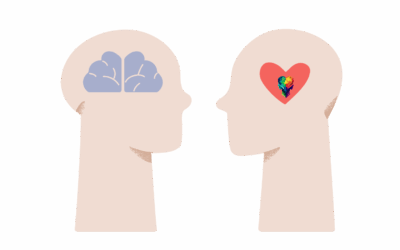
Neurotype Meaning: Understanding Brain Differences and Cognitive Diversity
If you’ve ever felt like your brain runs on a different operating system than everyone around you, you’re not imagining it. You may be a person with a different neurotype. The term “neurotype” may sound clinical at first — something reserved for brain science or...
Journaling for Autistic Nervous System Regulation: The Science of Self-Soothing
For many autistic individuals, life can feel like living with the volume turned all the way up. The hum of fluorescent lights, the ping of an incoming email, the subtle shift in someone’s tone — all of it registers in the body before the mind even has time to...
Why Neurodiverse Families Struggle with the Holidays
The holidays are supposed to be a time of joy, connection, and rest. But for many neurodiverse families, they bring the opposite: exhaustion, anxiety, shutdown, and guilt. This constant cycle can take a significant toll on mental health. What’s meant to be festive...

What Is Sensory Seeking in Adults?
There’s a quiet kind of exhaustion that comes from living in a world filled with sensory stimuli that doesn’t move at your pace, feel at your intensity, or see what your body notices. For many neurodivergent adults, that exhaustion has a name: sensory seeking. You...

How Writing Restores Self-Trust for Neurodivergent Minds
The Loneliness of Being Misunderstood There’s a particular kind of loneliness that comes when the world misunderstands how your mind works. When your sensitivity is mistaken for weakness, your need for clarity is called controlling, or your silence is read as...
The Labor of Gratitude in Neurodiverse Relationships
Gratitude in Neurodivergent Relationships is supposed to be simple. Say “thank you” during quality time. Appreciate what you have. Notice the good. But for many neurodivergent couples, gratitude isn’t simple—it’s emotional labor disguised as love language. Individuals...
8 Strategies for Effective Communication in Neurodiverse Relationships
Effective communication in neurodiverse relationships is critical, especially true for neurodiverse couples, where different ways of processing information, including conditions like autism spectrum disorder, ADHD, and OCD, can sometimes lead to misunderstandings,...
Journaling for Neurodivergent Adults: Benefits and Tips
I love sharing about journaling for neurodivergent adults! And if you’re a neurodivergent adult, you’ve probably spent your entire life being too much and not enough in the same breath, struggling with communication skills. Or even too blunt. Too quiet. Too emotional....
Holidays for Neurodiverse Couples: A Pressure Cooker
The holidays, for neurodiverse couples and allistic couples alike, are often sold to us as the most magical time of the year. Commercials show glowing lights, families smiling around the dinner table, and couples exchanging gifts in perfect harmony. But if you’re in a...
Alternatives to Anger: Transforming It into Clarity Before You Explode
You know that split second when something inside you shifts — when your chest tightens, your pulse quickens, and you can almost feel the heat rising in your body, you’re looking for the alternatives to anger, but you’re not sure where to find them. The intensity of...
Masking Protected You, But Now It’s Burning You Out
Discover how chronic masking impacts your nervous system — and how writing can help you recover There’s a specific kind of exhaustion that doesn’t come from doing too much — it comes from being too much for too long while pretending not to be, especially for those...
The Hidden Cost of Neurodivergent Masking: Why You Feel Bone-Tired
If you’ve ever collapsed at the end of the day, wondering why you’re so exhausted when “nothing big happened,” you’re not imagining it. For many neurodivergent adults, the real culprit isn’t work deadlines or errands—it’s neurodivergent masking that is often linked to...
When Standing Still Feels Impossible: Living with POTS and Autism
Imagine this: You stand up to get a glass of water, and suddenly your heart races like you’re running a marathon due to various sensory triggers . Your vision blurs, your head spins, and all you can think about is how to get back to the couch before you faint. Now...
How Journaling Supports Autistic Emotional Processing
Did you know that journaling supports autistic emotional processing? When I ask my autistic clients how they experience emotion, their answers are rarely about feelings. This often leads to profound self-reflection. “It’s like static in my body.” “My thoughts speed...

Neurodivergent Decision Paralysis: Why Even Small Choices Feel Impossible
Have you ever stood in the grocery aisle staring at the shelves, frozen between two brands of pasta sauce, while your heart races as if you’re making a life-or-death choice? Or maybe your partner asked, “What do you want for dinner?” and you felt your entire system...

ADHD in Adult Women: You’re Not Lazy—You’re Exhausted
For so many people I work with, the story of ADHD in adult women begins not with diagnosis, but with decades of shame. They’ve been told they’re disorganized, inconsistent, scattered, even selfish. They’ve been praised for their brilliance at work but quietly judged...
CAARS 2: A Guide to the Conners Adult ADHD Scales
Understanding your ADHD assessment journey can feel overwhelming, but having the correct information makes all the difference. Whether you’re seeking answers for yourself or supporting someone you care about, the Conners Adult adhd rating Scales have been trusted by...
Neurodivergent Women: Understanding the Journey of Life
For every one woman diagnosed with autism, three to six men receive the same diagnosis. This is partly because neurodivergent women often present differently than men, with more subtle or internalized symptoms. The numbers don’t lie—and they point to a painful truth:...
Thoughts on Daily Living with Autism and EDS (Ehlers-Danlos)
Sometimes it feels like the world expects you to run on an operating system you weren't given. If you're autistic, the daily navigation of sensory overload, masking, and relationship misunderstandings is already heavy. Add in a connective tissue disorder like...
Why Neurodivergent Overwhelm Looks Like Shutdown, Not Laziness
If you’ve ever been told you’re lazy, unmotivated, or avoiding responsibility—when in reality you’re simply in "neurodivergent overwhelm"—you’re not alone. For many neurodivergent adults, what looks like “doing nothing” on the outside is actually a full-body shutdown...
Is It Trauma or Neurodivergence, or Both?
Trauma or Neurodivergence, or Both? Have you ever wondered why you react so strongly in certain situations—why your nervous system feels like it’s constantly on high alert, or why connection feels just out of reach due to psychological trauma? Maybe you’ve asked...
Redefining Stonewalling: Understanding Sensory-Based Withdrawal
If you’ve ever poured your heart out to your partner only to be met with silence, a blank stare, or the sense that they’ve “checked out,” you know how painful it feels when you express your concerns . For many partners, this moment feels like rejection, dismissal, or...
Living Authentically as a Masked Adult with Autism or ADHD
Are you living as a highly masked adult with autism or ADHD? There’s a particular exhaustion that comes from holding yourself together every day isn't there? Smiling when you’re unraveling inside. Saying yes when your whole body is screaming no. Reading the room so...
Masking in Neurodiverse Relationships: 4 Steps to Healing
Masking in neurodiverse relationships, it’s like a quiet exhaustion many neurodivergent partners carry—one that doesn’t always show on the outside. They laugh at the right times, nod at the right moments, and say what they think their partner wants to hear. To anyone...
Why Traditional Therapy Fails Neurodivergent Clients
When traditional therapy doesn’t fit, it doesn’t just disappoint you—it destabilizes your nervous system. Imagine seeking safety and instead being asked to mask harder, explain more, or perform emotions you don’t feel ready to access. That’s not therapy. That’s...
When an Emotionally Unavailable Partner is Too Much
There’s a particular kind of loneliness that comes from lying next to someone who feels just out of reach, often leaving you feeling emotionally distant. You can talk about logistics all day long—kids, bills, schedules—but the moment you ask for closeness, empathy, or...

Empowered Insights on ADHD Diagnosis in Adult Women
You’ve spent years trying harder, staying up later, and pushing through the chaos in your brain, only to be met with forgetfulness, missed deadlines, and a persistent feeling that you’re somehow not enough. You’ve blamed yourself, questioned your worth, and wondered...
Welcome to the Love on the Autism Spectrum Blog

Real Conversations. Relatable Insights. Relationship Support That Gets It.
Hi, I’m Barbara (Blaze) Lazarony, LMFT, the founder of Love on the Autism Spectrum and the voice behind this blog.
As a neurodivergent therapist, coach, and woman in a neurodiverse partnership for over 40 years, I created Love on the Autism Spectrum to be a resource hub for adults and couples navigating Autism, ADHD, AuDHD, and complex trauma in love, life, and relationships.
This blog is here to offer you support that feels real, not clinical jargon or surface-level tips. Every post is written through the lens of neurodivergent lived experience, emotional clarity, and therapeutic insight.
What You’ll Find Here
On the Love on the Autism Spectrum blog, we cover topics that speak directly to the heart of your experience, including:
-
Autism in relationships and communication breakdowns
-
Emotional labor and sensory overload in neurodiverse love
-
ADHD and executive functioning challenges in partnerships
-
Shutdowns, masking, meltdowns, and what’s underneath them
-
Support for partners navigating Cassandra Syndrome
-
Late-diagnosis grief, burnout, and identity exploration
-
How to create love and connection that honors your brain and nervous system
Whether you’re neurodivergent, neurotypical, or somewhere in between, the Love on the Autism Spectrum blog was created to help you feel seen, understood, and empowered.
Why I Do This Work
I hold a Master’s in Clinical Psychology from Sofia University and advanced training in Autism, ADHD, and complex trauma. With over 22 years of clinical and coaching experience—and as someone who’s walked this path personally—I specialize in working with couples who’ve seen too many traditional therapists and still feel stuck.
My work through Love on the Autism Spectrum includes therapy, coaching, adult autism and ADHD assessments, private couples retreats, support groups, and immersive programs designed to meet neurodivergent needs with clarity and compassion.
Everything I create—including the Love on the Autism Spectrum blog—is trauma-informed, neurodiversity-affirming, and grounded in nervous system safety and emotional honesty.
This Blog Is For You If…
-
You’ve tried therapy that didn’t “get” neurodiverse dynamics
-
You’re navigating a relationship with ADHD, Autism, or both
-
You feel emotionally invisible and don’t want to keep overfunctioning
-
You want grounded, relatable guidance from someone who truly understands
-
You’re craving community, connection, and clarity without shame
Every blog post on Love on the Autism Spectrum is written to support your real, unfiltered experience—and to remind you that you’re not too much, not alone, and not broken.
Don’t Miss the Podcast
Many blog posts are inspired by my weekly episodes of the Love on the Autism Spectrum Podcast, which features:
-
Therapy Tuesdays
-
Waking Up Neurodivergent Wednesdays
Love on the Autism Spectrum Podcast is available here, and also on Apple, Spotify, YouTube, and Audible. It’s another way Love on the Autism Spectrum supports your healing journey—one honest conversation at a time.
Let’s Write a New Chapter Together
Love and Autism can coexist beautifully. So can ADHD, trauma, and the longing to feel deeply understood.
Here on the Love on the Autism Spectrum blog, I’ll meet you with honesty, empathy, and tools that work for your brain, your real life, and your relationship’s unique rhythm.
This is your space to explore, reflect, and find the support you’ve been missing.
“Take a breath. Settle in. I’m glad you’re here.”